On 19 August 2026 Steve and I arrived in Botswana to accompany one of the small group safaris we offer each year – our Okavango & Desert Safari. Combining the ethereal white salt pans of the Makgadikgadi with the pristine waterways and big game of the Okavango Delta, this was Botswana at its most idyllic. Winging our way by light aircraft or helicopter between our small exclusive camps located in private wildlife concessions, we seldom saw another vehicle.
Our 13-day journey started in Maun, the small town at the edge of the Okavango Delta and the gateway for most safaris in Botswana. Our 13 guests were all Australians; some had been to Africa several times, but for others it was a completely new experience.
From Maun we flew eastwards by light aircraft over the dry savanna to the Makgadikgadi Pans, one of the largest salt flats in the world. From the plane we looked down over the shimmering white discs of smaller pans as we approached the main pan, stretching away into the distance, fringed with tall Ilala palm trees.
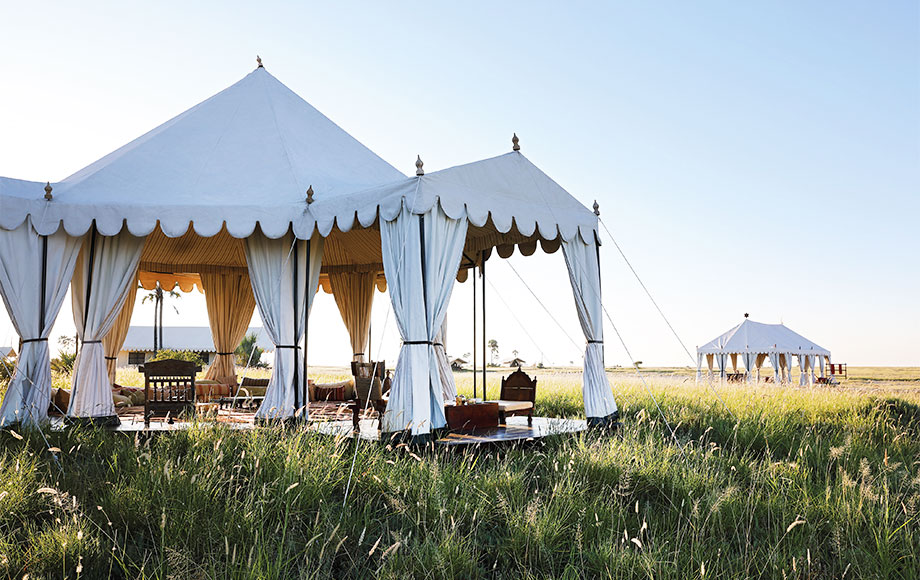
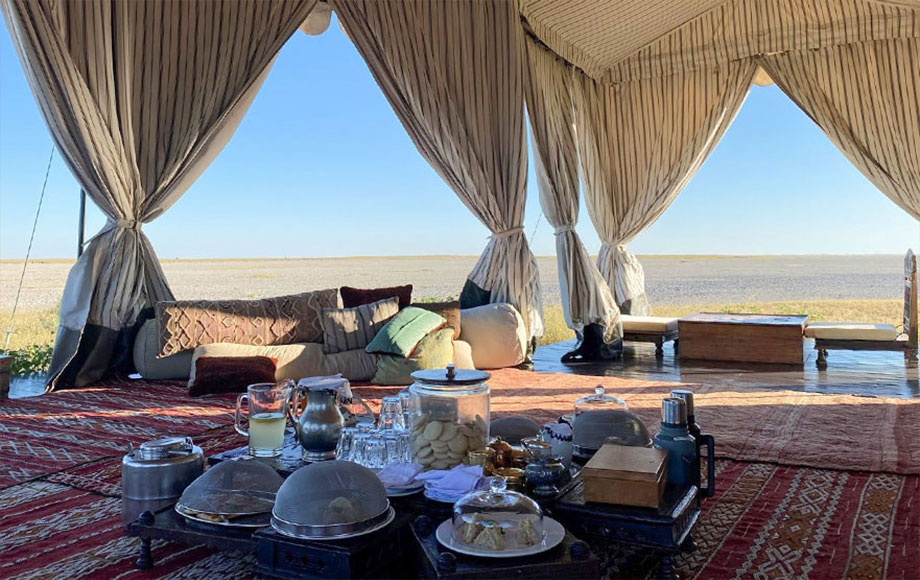
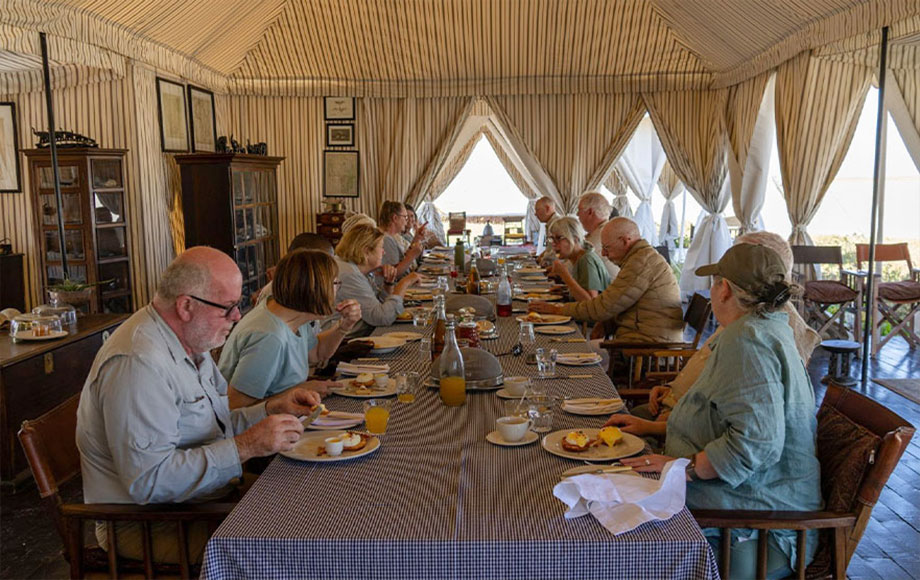
Landing at the airstrip we were met by our four guides who were going to be looking after our group over the next three days and driven to our camp. And what a beautiful camp it was! San Camp is a collection of romantic white tents billowing at the edge of the boundless salt pan in a dreamlike landscape. Designed in the vintage style of safari legend Ralph Bousfield’s famous Jacks Camp, San is decorated with Persian rugs, campaign and antique furniture, and cabinets of archaeological and cultural artifacts discovered in the area. The dining tent has a long wooden table for a shared dining experience, an exotic tea tent for afternoon teas, and an outdoor pool. The guest suites are in large white tents with enormous four poster beds, ensuite bathrooms, flush loos and hot showers. It felt like being in one of The Arabian Nights stories.

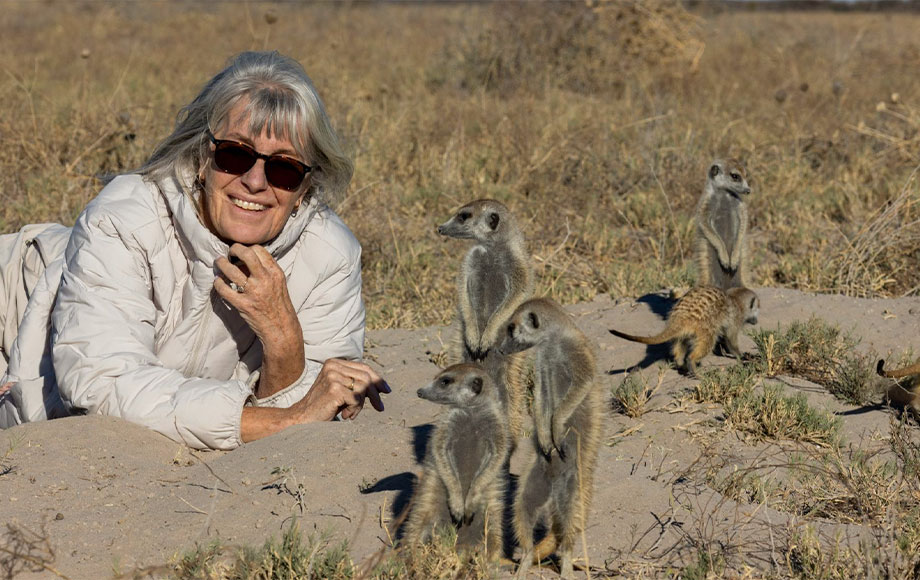
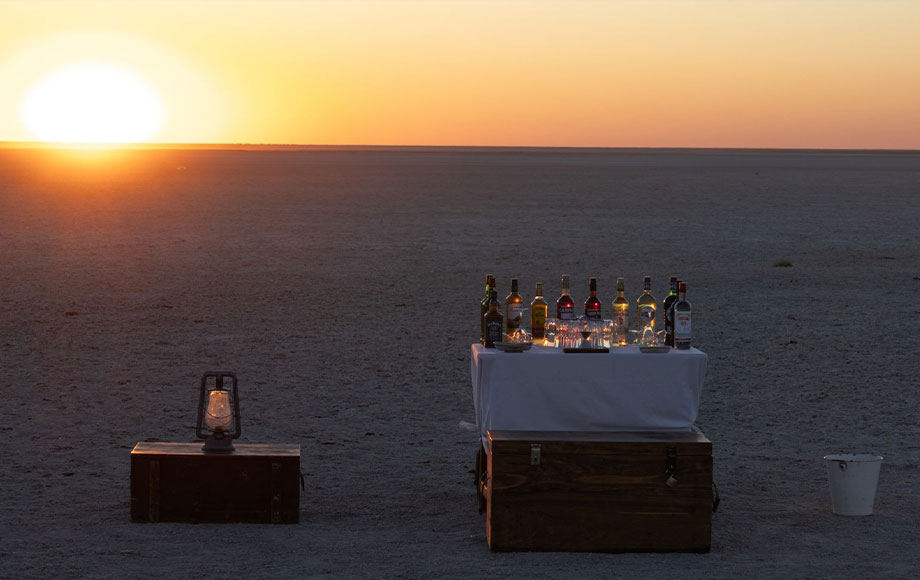
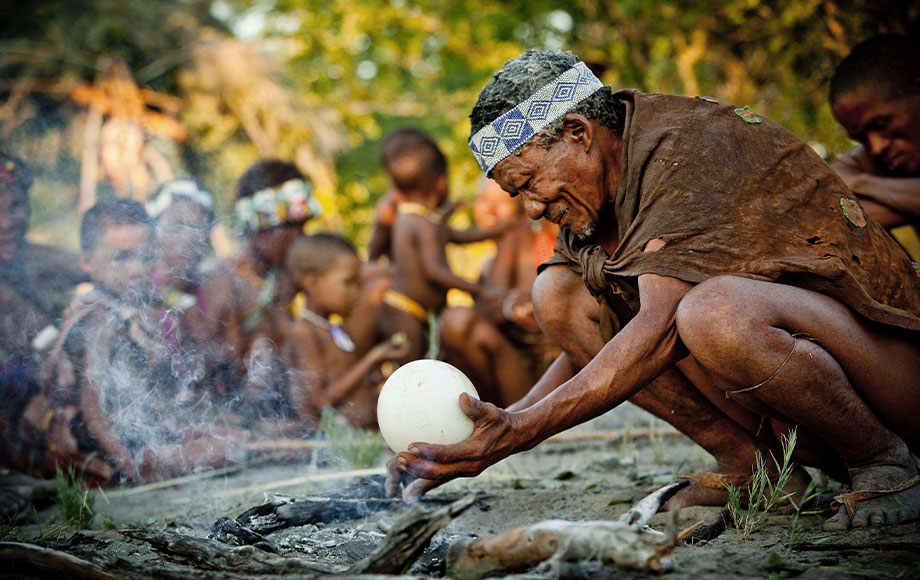
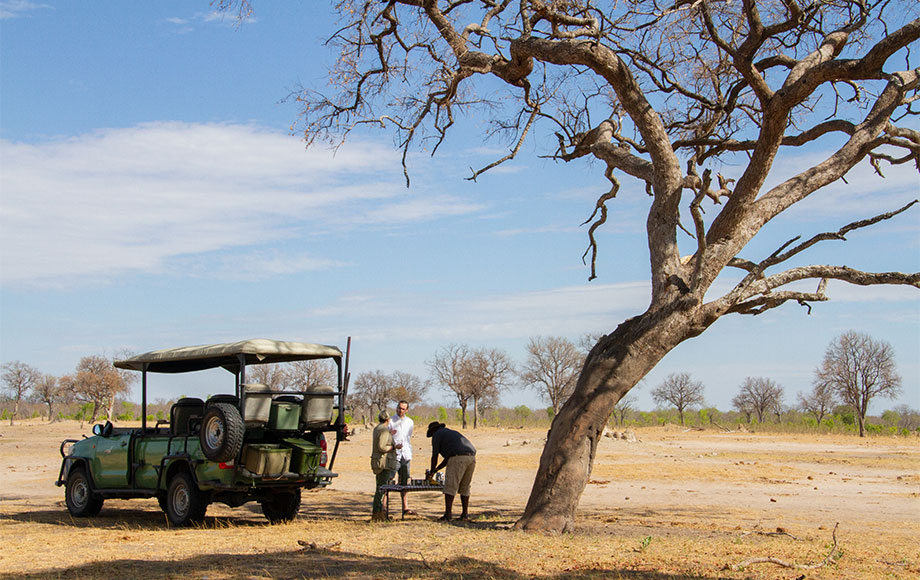
On our game drives with our fantastic guides, we saw herds of zebra, wildebeest and oryx and elephants congregating around waterholes, as well as a rare brown hyena, jackals and a pride of lions with 5 cubs. A definite highlight was spending time with the habituated family of meerkats as they went about their business. We also joined the Zu/’hoasi Bushmen on a cultural walk, learning about their traditional lifestyle and their deep connection to the land.
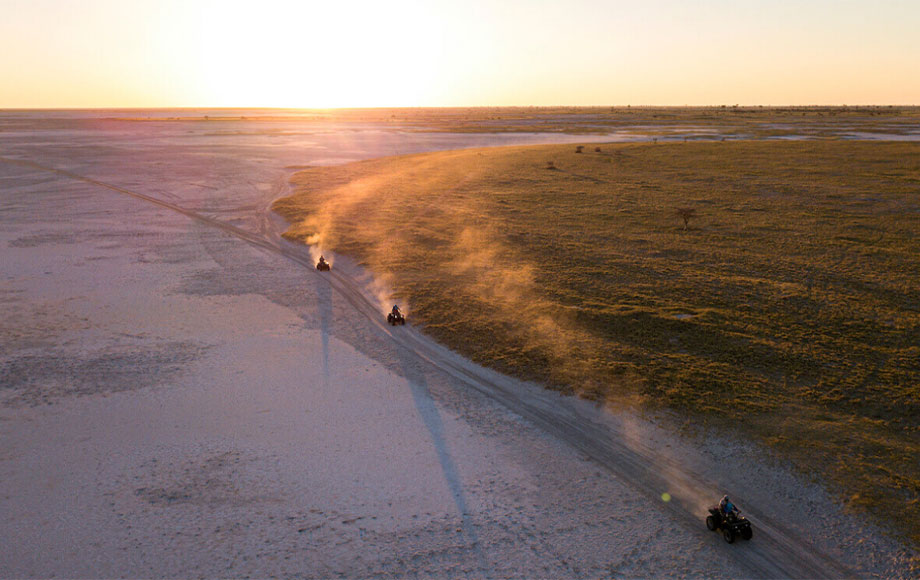
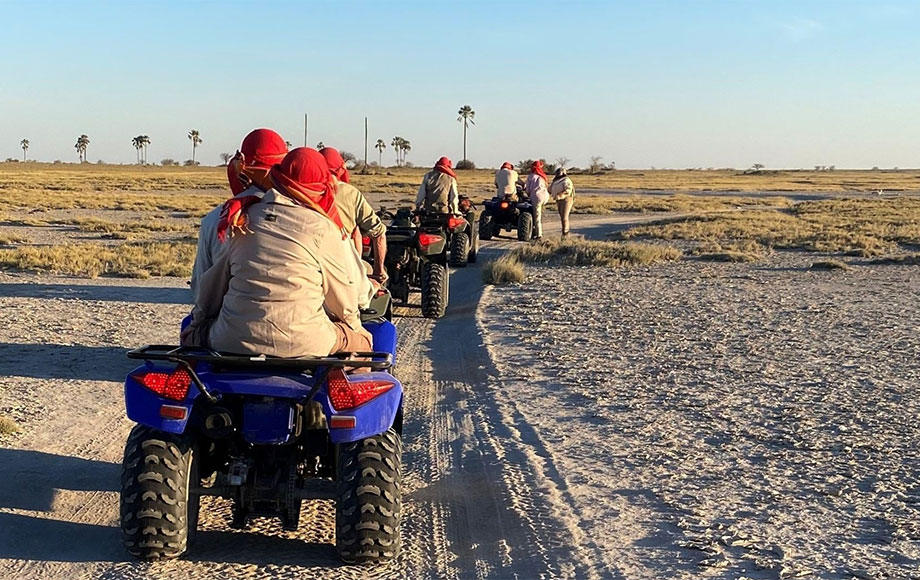
One night we sped over the salt pan on quad bikes, heading out into the great “nowhere” where we enjoyed a bush dinner under a giant canopy of stars. A fly camp with beds and thick quilts was set up for each couple, widely spaced, so that we were surrounded only by emptiness and profound silence and the light of the stars.
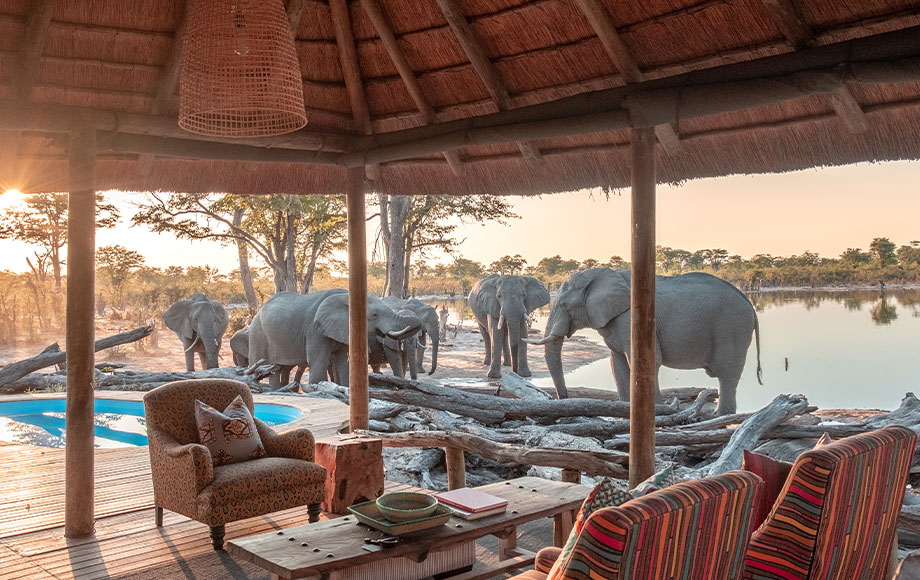
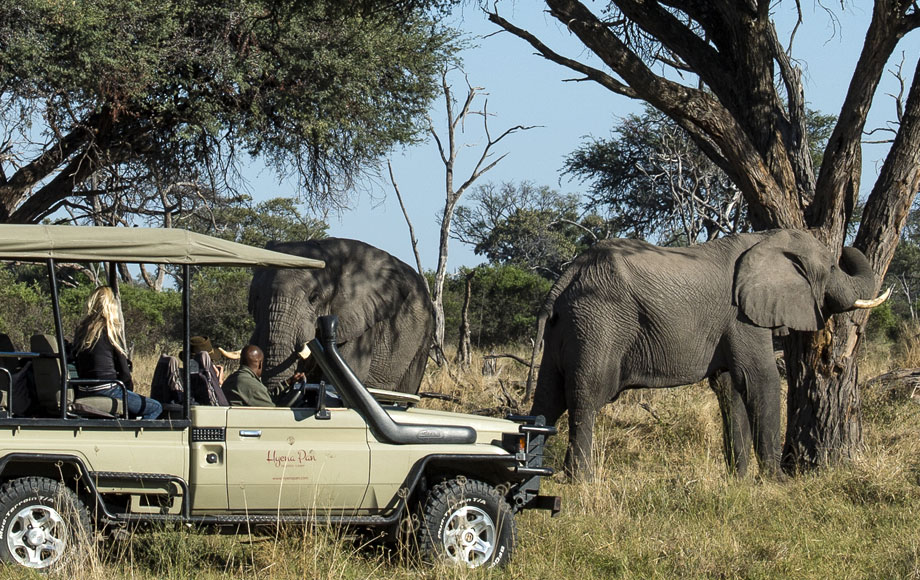
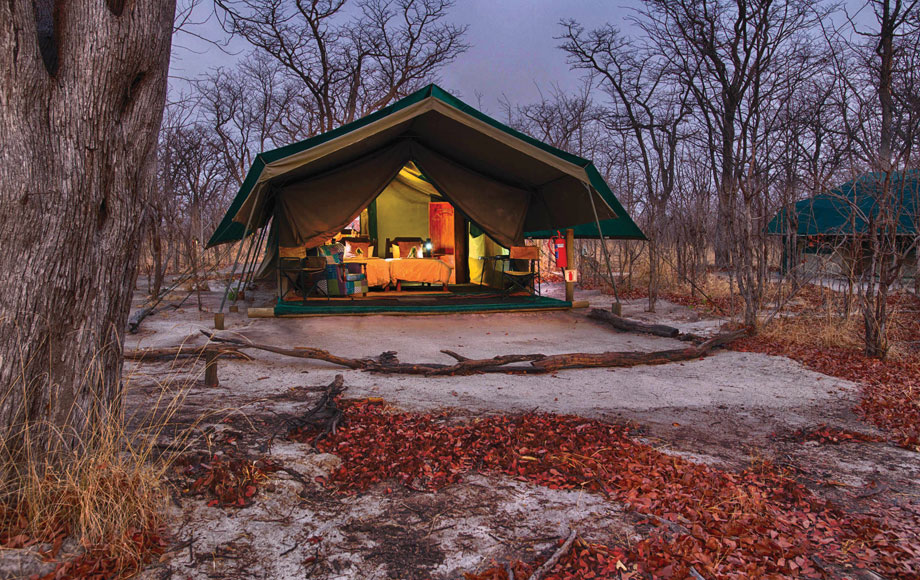
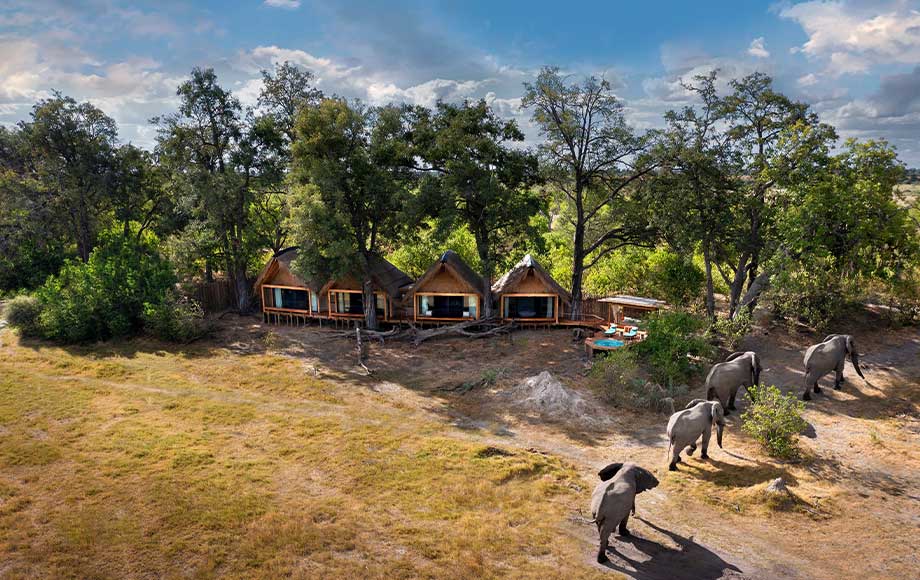
It was time to leave for our next camp, and a half hour flight took us to the private Khwai Private Reserve on the eastern edge of the Okavango Delta. This region of woodland, savanna and wetland cover 200,000 hectares and has large herds of elephants, as well as roan antelopes, giraffe, zebra, wild dogs, lions and leopards. Our tented camp at Elephant Pan faced a large shallow pan where elephants come to drink and a lone hippo wallowed far out in the middle. On one of our game drives we were also lucky enough to see two cheetah that had recently killed an impala. Once again our guides were incredibly knowledgeable of the area, the trees, plants and the diverse wildlife.
During our time here we took turns spending one night at the extraordinary Skybeds, a small camp made up of a raised dining/bar area and three, 3-story tree houses overlooking a waterhole. Each tree house has a covered, private bathroom on the second level and a large, cosy double bed on the top level, covered simply by a mosquito net beneath the open sky. We enjoyed dinner under the stars before retiring to bed in our aerie perched high above the African bush.

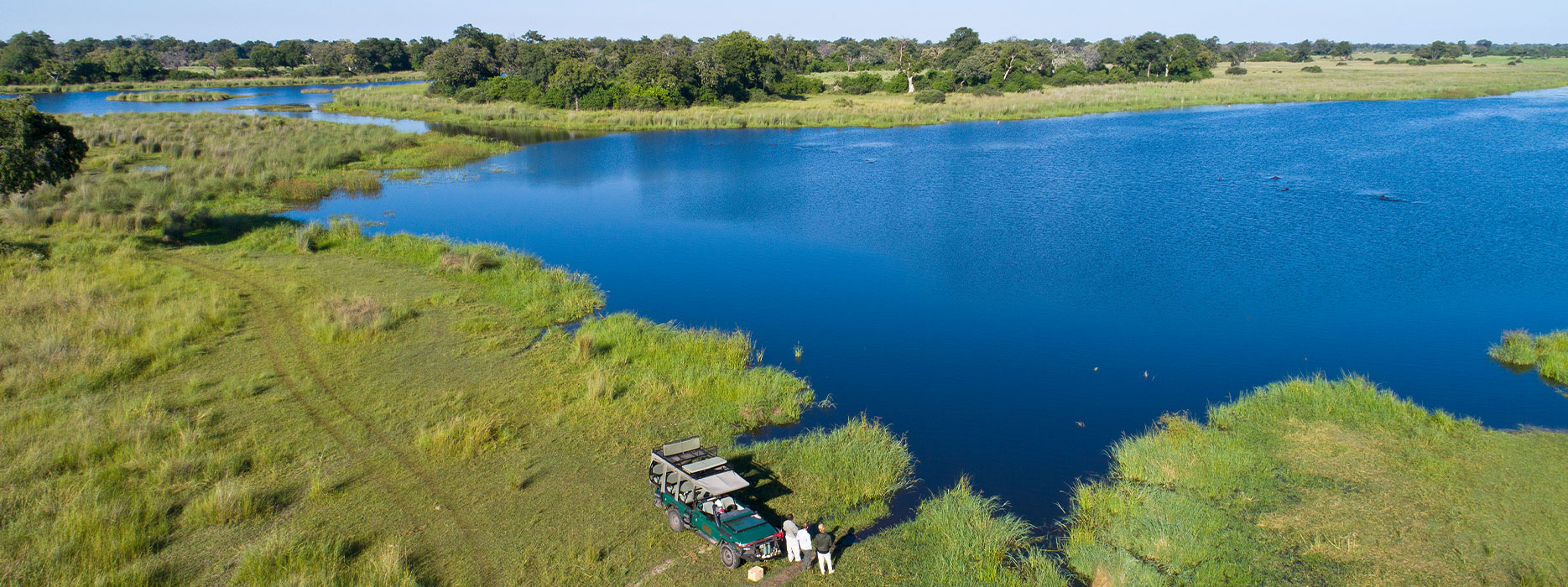
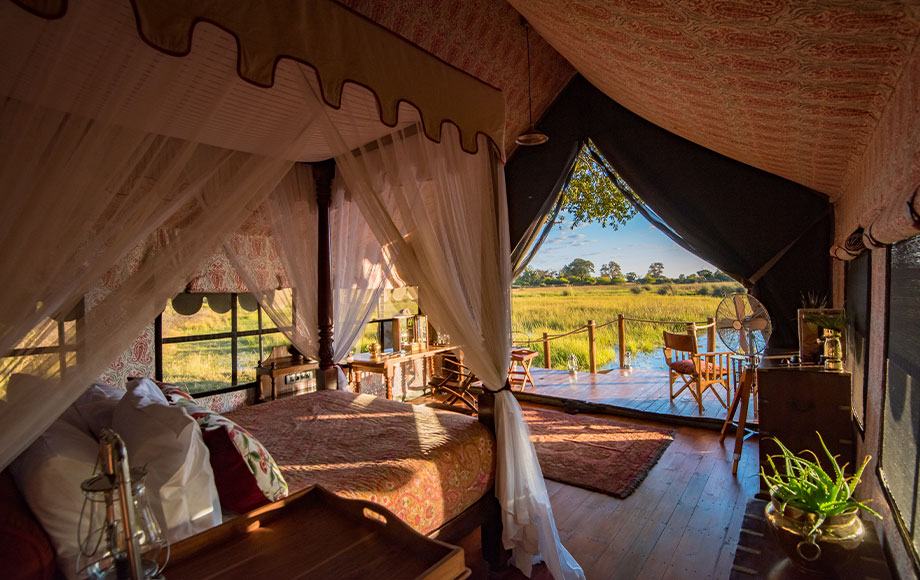
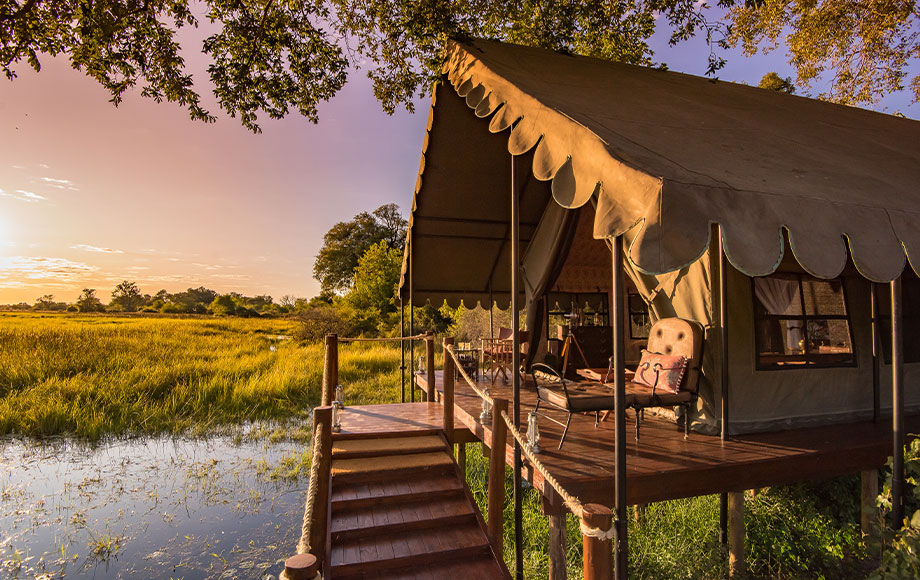
After three days of adventures it was time to fly out to our next camp in the north-western Okavango. Remote and unspoilt, Dukes Camp sits on an island in a lagoon with crystal clear water, home to hippo, crocodile and water-adapted antelope like red lechwe. The camp is influenced once again by Ralph Bousfield of Jacks Camp, and is designed in exotic and romantic style, with tall, graceful canvas tents. Rather than white though, the tents are a soft green to blend with their surroundings, but lined with a beautiful Indian cloth in a paisley pattern.
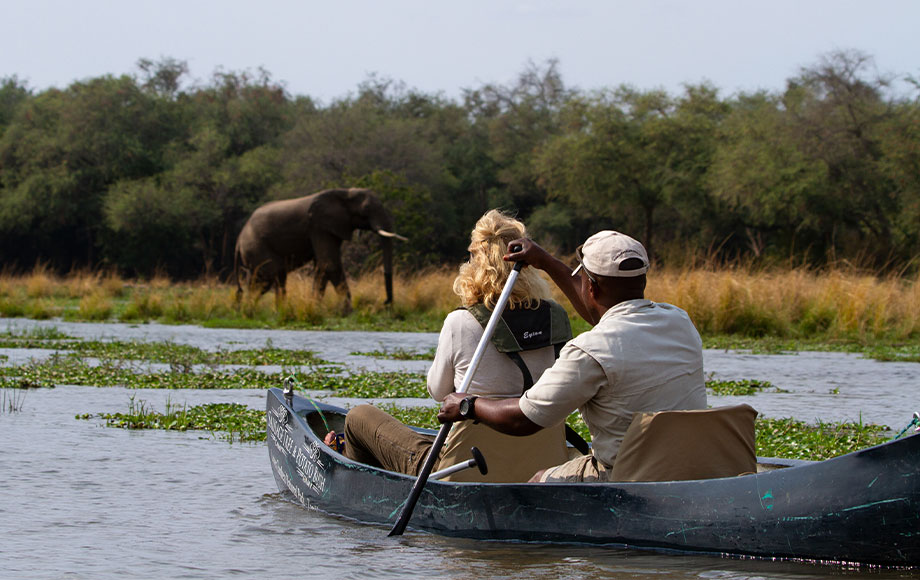
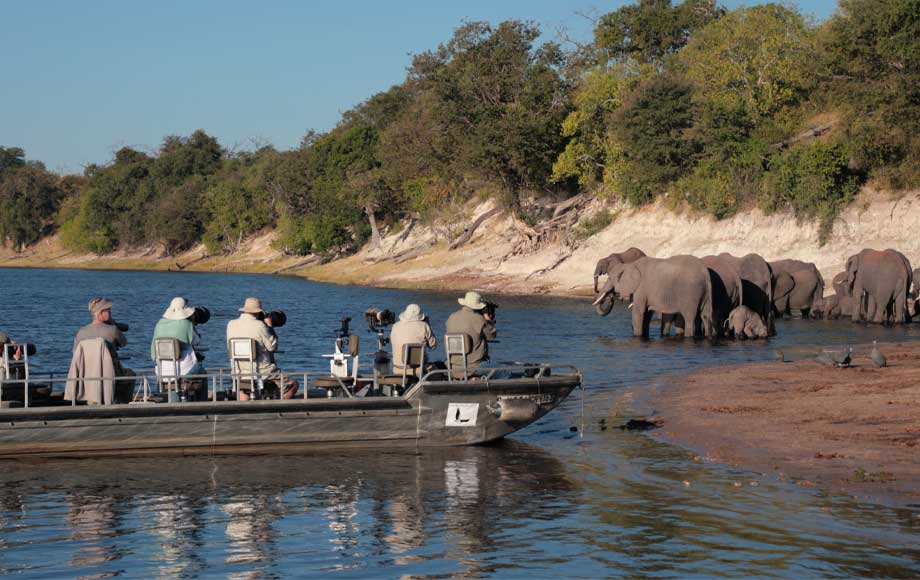
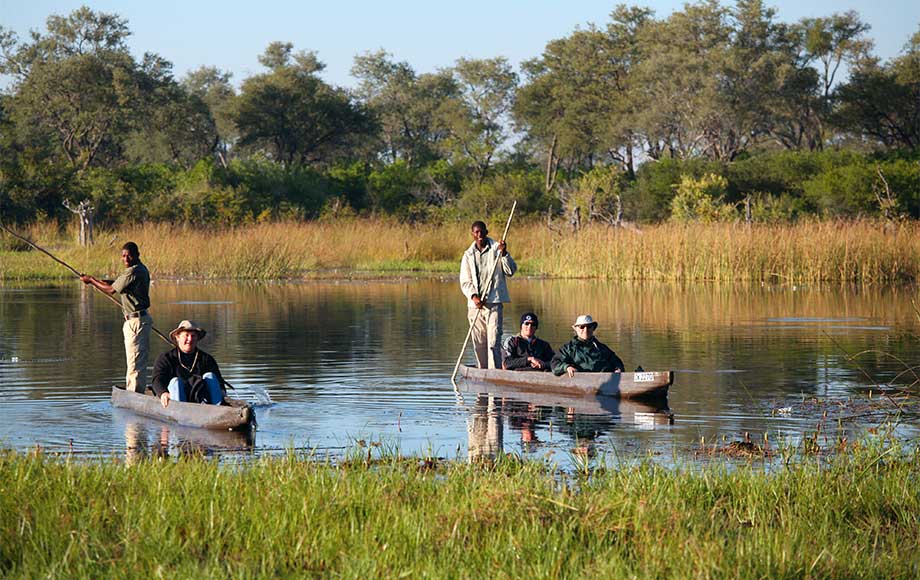
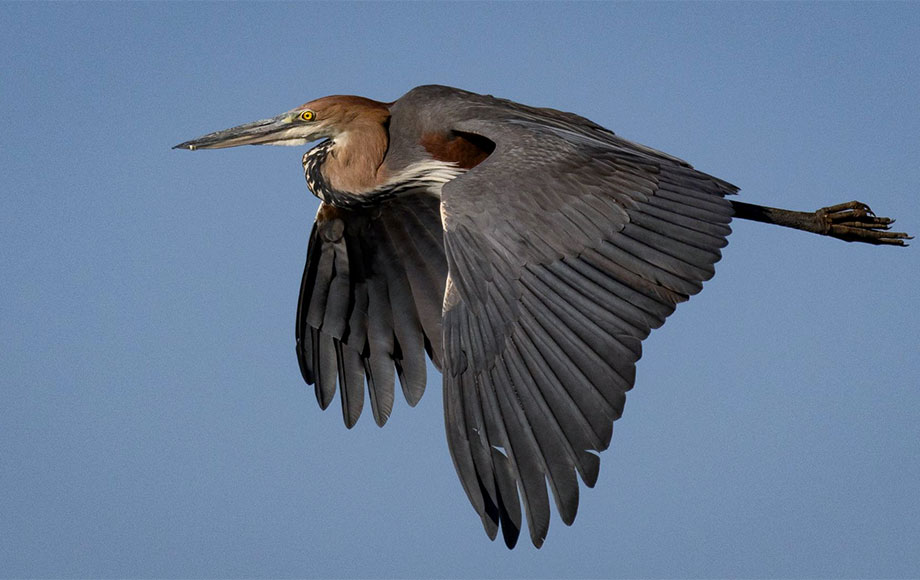
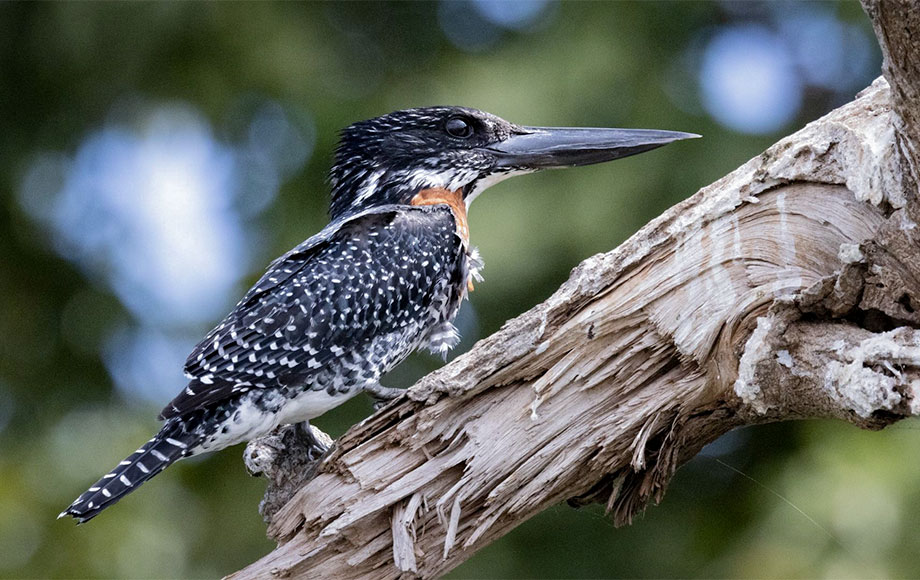
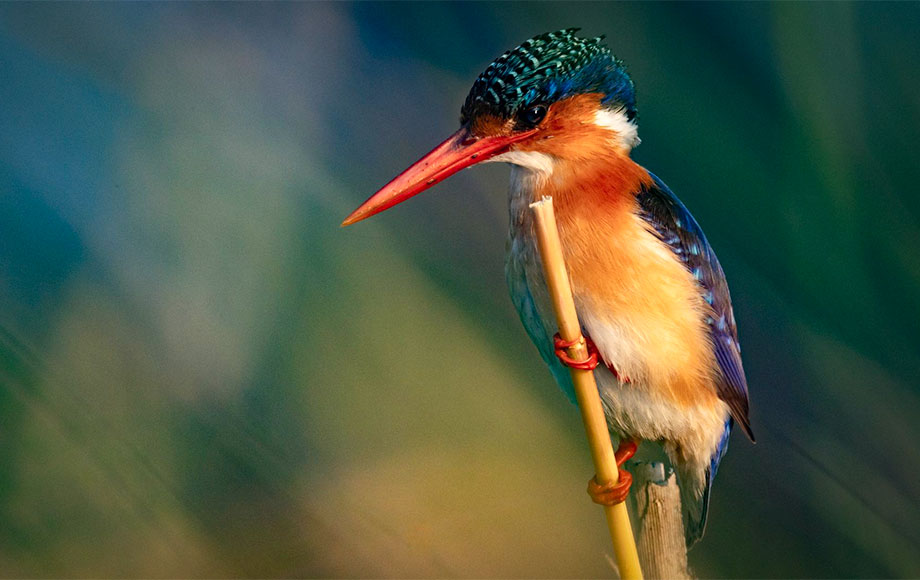
Our graceful tents with wide verandas looked out onto crystal clear waterways crowded with reeds and waterlilies. We explored by boat or traditional mokoro, and saw beautiful birds, reed frogs and sometimes bull elephants, up to their chests in water, feeding on the various water grasses. During our day and night drives we saw elephants, kudu, tsessebe, herds of zebra, lions, wild dog and some lucky people saw a leopard in a tree. We had breakfast picnics on islands and sundowner drinks watching amazingly orange sunsets, and dinners at the long antique table in the dining tent.
It was hard to believe but the safari was drawing to a close. Our last camp was Mokolwane, in the heart of the giant, 200,000-hectare Xudum concession. A small, relaxed camp, it truly offers the luxury of space and tranquillity. With no airstrip as yet, access was only by helicopter from Duke’s. A ‘wild’ ride in 3 helicopters took us directly over the heart of the Delta, flying just 500 feet above a giant mosaic of dry savanna, lagoons and waterways. We could see herds of elephants, and hippos wallowing in the lagoons and occasionally herds of giraffe.
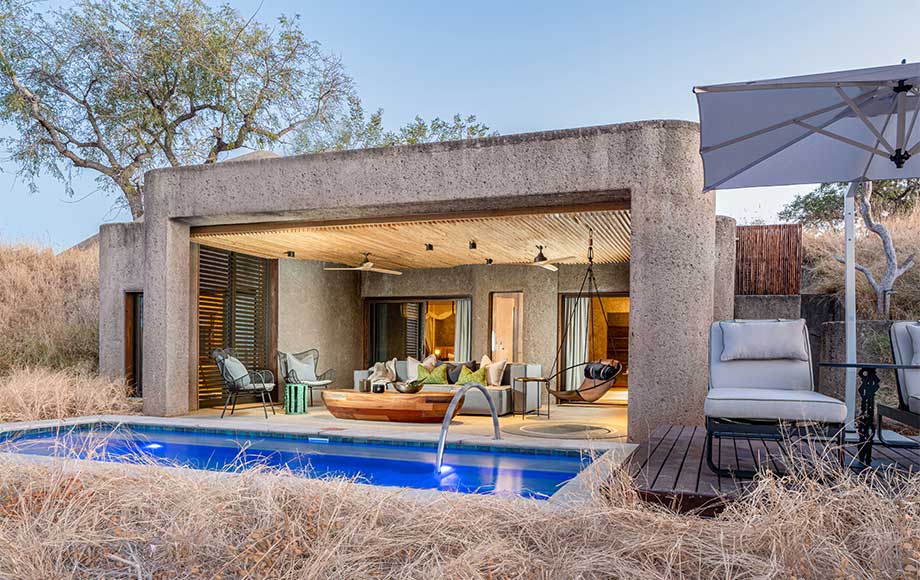
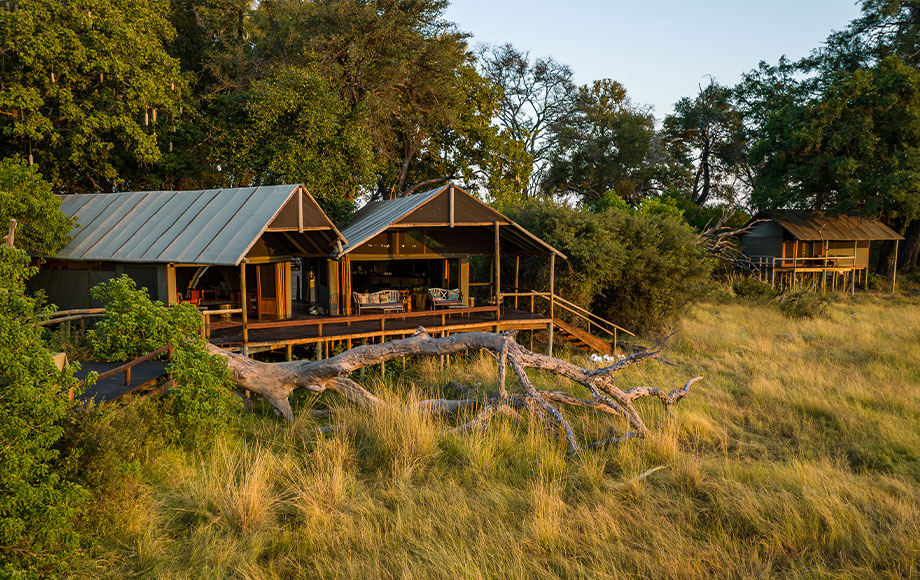
As usual, on arrival at our new camp we were greeted by the manager and staff, singing their Setswana welcome and offering us cold drinks and hand towels. Mokolwane is located at the edge of a lagoon under shady fig, jackalberry and mangosteen trees. The 7 guest tents have cosy interiors, ensuite bathrooms and private decks. There is a central dining, lounge and bar area, and a pool.
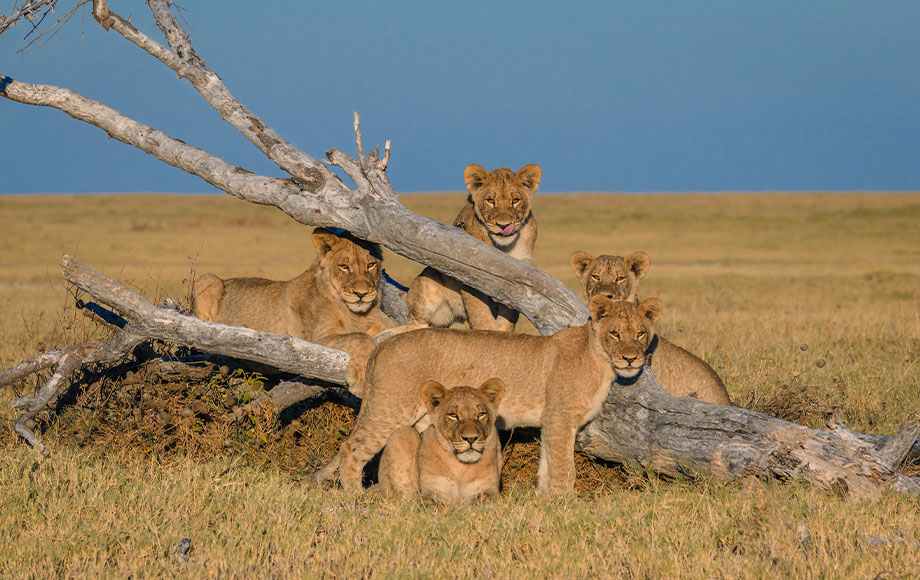
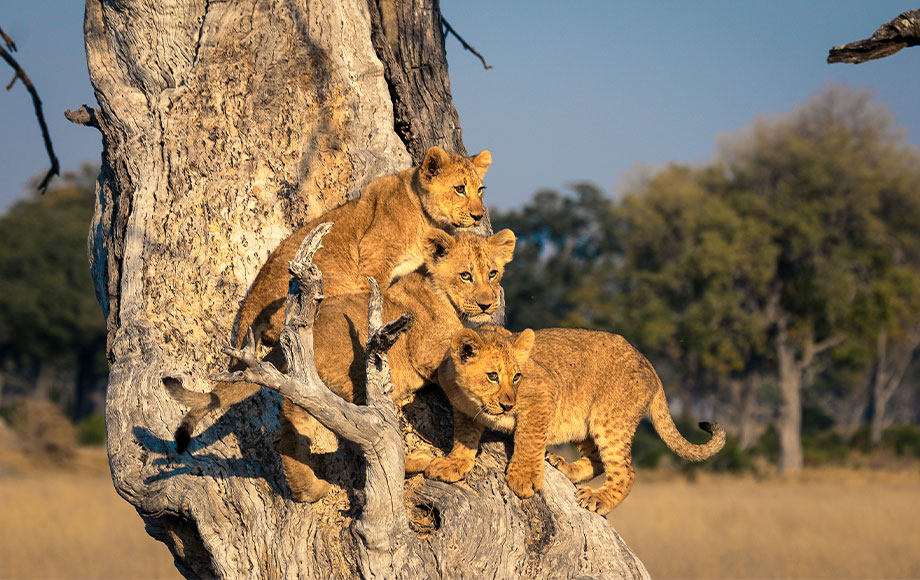
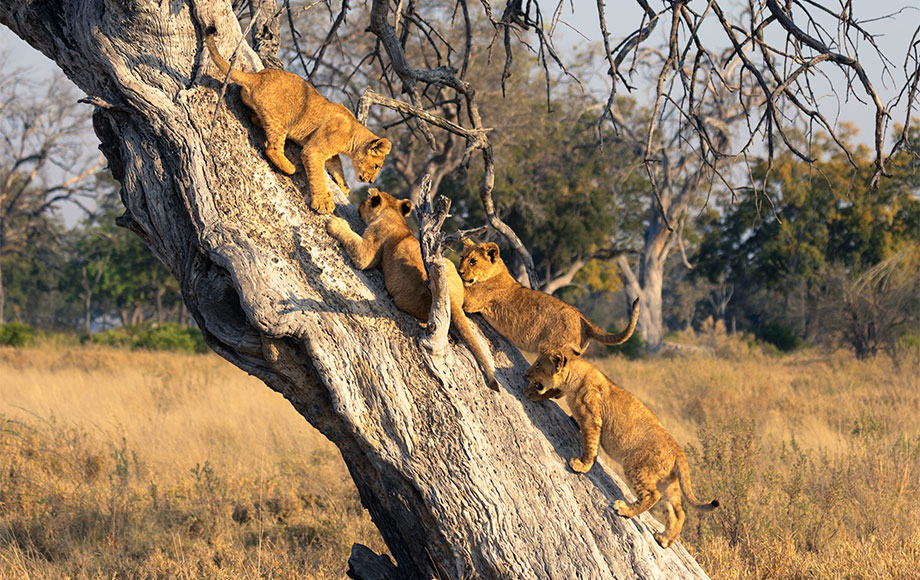
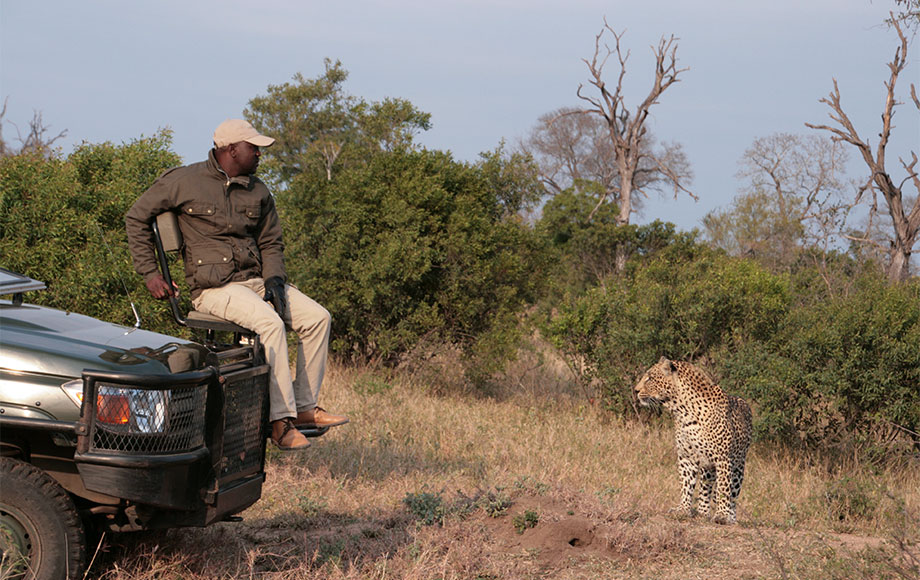
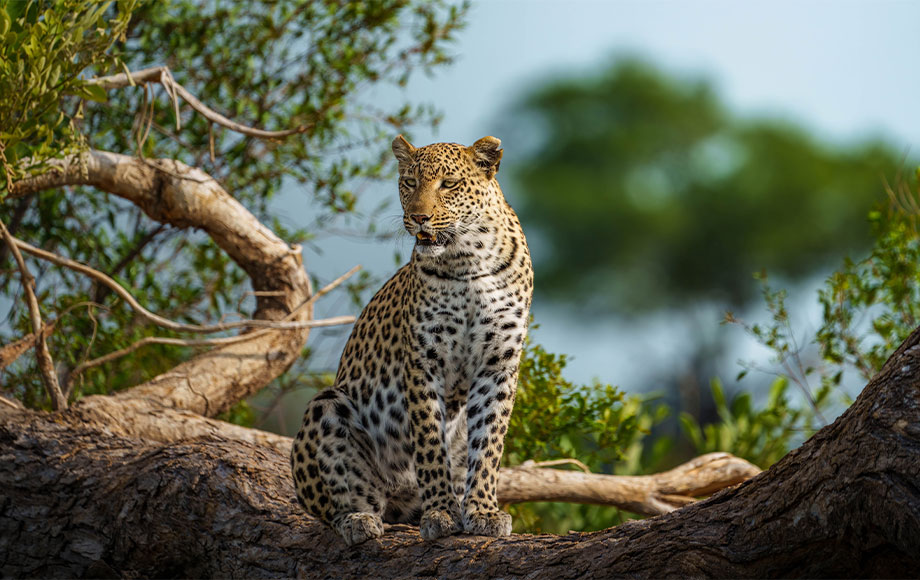
Due to the high water we had to take the two motorboats to reach the vehicles on dry land for our game drives. There was a strong sense of being in total isolation in this huge wilderness. The only other camp was a temporary photographers’ camp used by the BBC to film the documentary series Big Cats 24/7. The Netflix series “Living with leopards” was also recently filmed here. The area is renowned for big cats, with the third highest density of leopards in Africa, and large numbers of lion, as well as wild dogs, hyenas, and cheetah.
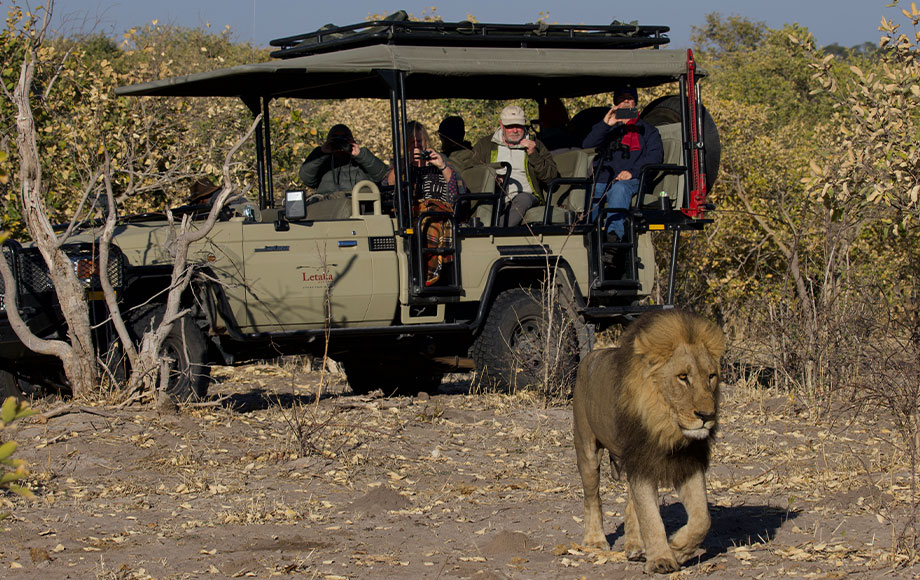
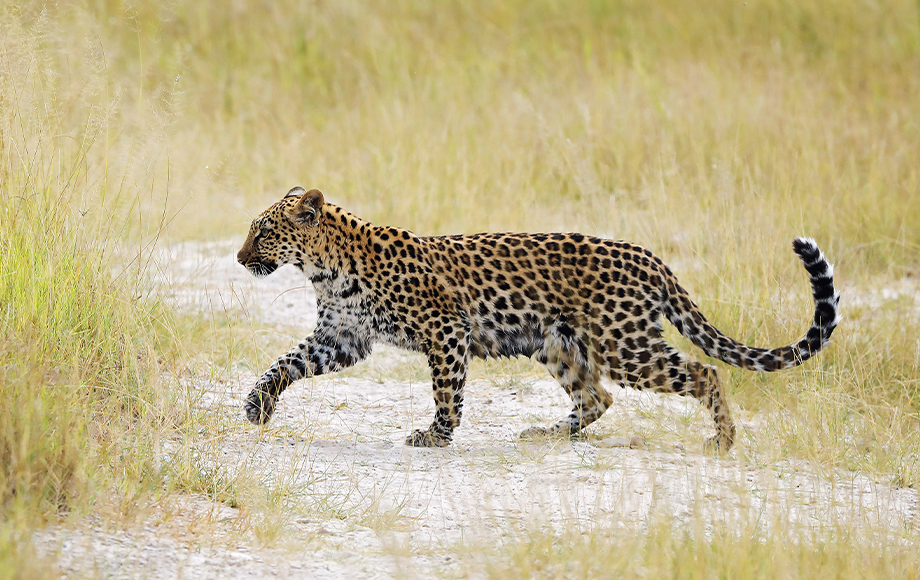
The area had had unseasonal rain and the grass was long. Perhaps for this reason we saw many of the big cats up trees which made for fantastically clear sightings. We saw lionesses sleeping up in the branches on a number of occasions, and their young cubs attempting to climb up and hilariously falling down in the attempt. We also twice saw a mother leopard and her cub up trees, looking out across the savanna for potential prey. These are the classic “big cat shots” that every photographer dreams of!
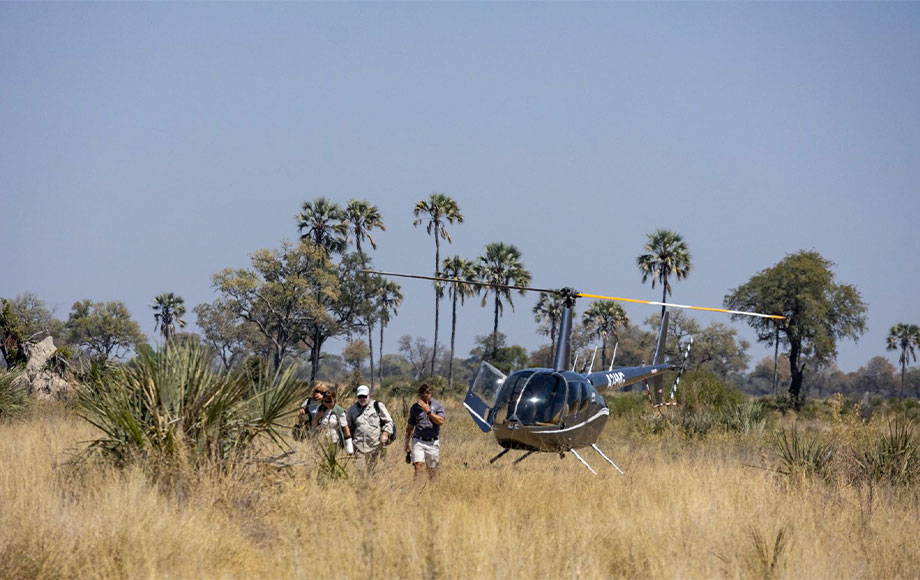
Returning to Maun on another thrilling helicopter flight, it was time to say goodbye to our guests and new friends. Some were heading home, whilst others had further adventures ahead, with safaris in nearby Zambia, Namibia and South Africa. But everyone agreed that Botswana’s had woven its magic, and we were all sorry to leave this beautiful wilderness, with its wild animals and birds, and smiling, friendly people.
More articles